She Had Europe’s Spotlight, Then the Guillotine—Why Zweig’s Marie Antoinette Still Feels Uncomfortably Modern
Who Was the Author?
Stefan Zweig (1881–1942) was born in Vienna, then the glittering capital of the Austro-Hungarian Empire—a city of coffeehouses, orchestras, and nervous political undercurrents. He grew up in a prosperous Jewish family and came of age at the exact moment Europe was congratulating itself on progress while quietly stocking the tinder for catastrophe. By the early 1900s, Zweig was already publishing poetry and essays, moving easily through the international literary world, and building the cosmopolitan outlook that would later make his work feel both intimate and pan-European.
World War I cracked that world open. Zweig served in a war archive rather than the trenches, but the conflict pushed him toward outspoken pacifism and a deep suspicion of mass hysteria. In the 1920s and early 1930s, he became one of the most widely read authors in the German-speaking world, known for psychologically sharp biographies and novellas. As National Socialism rose, his books were targeted and burned; the Europe he believed in was dissolving in public.
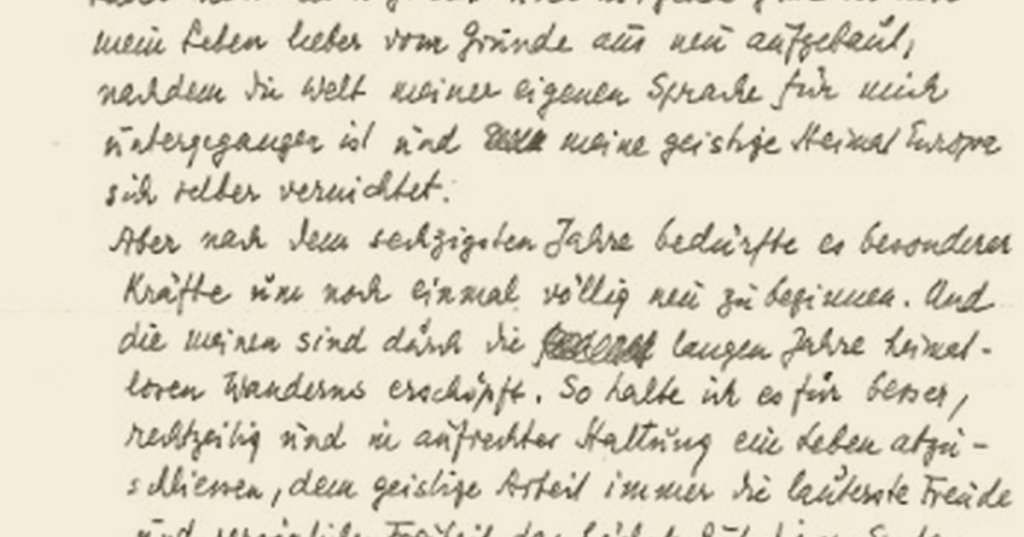
In 1934, Zweig left Austria and began a long exile—first in Britain, then in the United States, and finally in Brazil. The dislocation sharpened his obsession with how history crushes individuals who can’t see the wave coming until it’s already overhead. In Petrópolis, near Rio de Janeiro, he died by suicide in 1942 alongside his second wife, Lotte Altmann. His final memoir, “The World of Yesterday,” reads like a farewell to a continent—and it helps explain why his portrait of a doomed queen is less gossip than warning.
About This Book
“Marie Antoinette: The Portrait of an Average Woman” is Zweig’s most famous biography, first published in 1932, and it refuses the easy version of its subject. He doesn’t write Marie Antoinette as a born villain or a sainted victim. He writes her as startlingly human: a teenager shipped from Vienna to Versailles, trained to perform charm as policy, and gradually trapped inside a court that mistakes theater for reality. The famous details are here—diamonds, etiquette, rumor—but Zweig’s focus is what those details do to a person who was never taught to be anything except pleasing.
What makes the book matter now is how it treats fame and backlash as a single machine. Marie Antoinette becomes a symbol long before she understands she’s being used as one: by factions at court, by pamphleteers, by a public hungry for someone to blame. Zweig tracks the slow tightening of the historical noose—the financial crisis, the growing rage at privilege, the shift from mockery to hatred—without turning the Revolution into a cartoon. If you’ve ever watched a public figure get flattened by a narrative that won’t stop refreshing itself, you’ll recognize the pattern. The tragedy isn’t only that she dies; it’s that she can’t control what she represents.
Why Read a Modern Translation?
Reading a modern translation of Zweig’s Marie Antoinette matters because his power lives in nuance: the quick pivots from sympathy to critique, the ironic pressure in a single adjective, the way he builds psychological momentum without sounding clinical. Older English versions can feel stiff or overly “period,” which dulls what Zweig is actually doing—writing with the pace of a novelist and the precision of a biographer. A new translation can restore the snap of his sentences, clarify court terms and political context for today’s reader, and keep the queen’s voice from becoming museum-dust when the point is that she was never a statue to begin with.
This Edition
This post contains affiliate links. As an Amazon Associate, we earn from qualifying purchases.
 Classics Retold
Leave a comment